

Blog
Best Lens for Astrophotography: What Actually Matters at Night

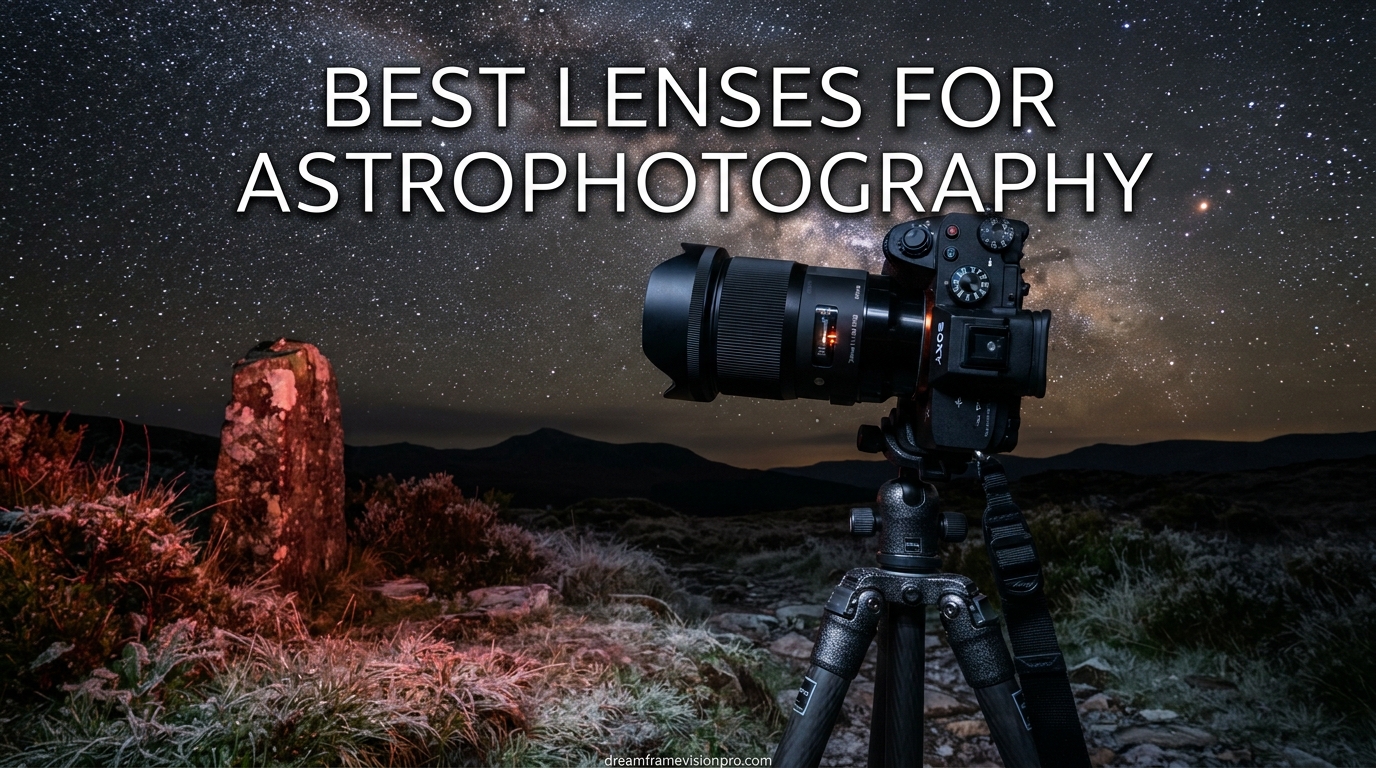
Finding the right glass for the night sky usually means sorting through a sea of ultra-wide primes that camera stores don’t even stock. If you are shooting astrophotography, you want corner-to-corner sharpness, minimal coma flare, and enough light-gathering power to keep your ISO manageable.
Rather than pointing you toward rare exotics we don’t carry, we are looking straight at what we actually have on our shelves at Dream Frame Vision Pro. Here are our top in-stock recommendations for capturing clean, sharp nightscapes.
Quick Picks: The Best Lens for Astrophotography We Stock
| Lens | Type | Max Aperture | Best For | Check Price |
| Sigma 12mm f/1.4 DC | Prime (APS-C) | f/1.4 | Crop-sensor wide-field Milky Way shots | Check Product Page |
| Sony FE 16-35mm f/2.8 GM II | Zoom (Full-Frame) | f/2.8 | Versatile full-frame nightscapes & foreground framing | Check Product Page |
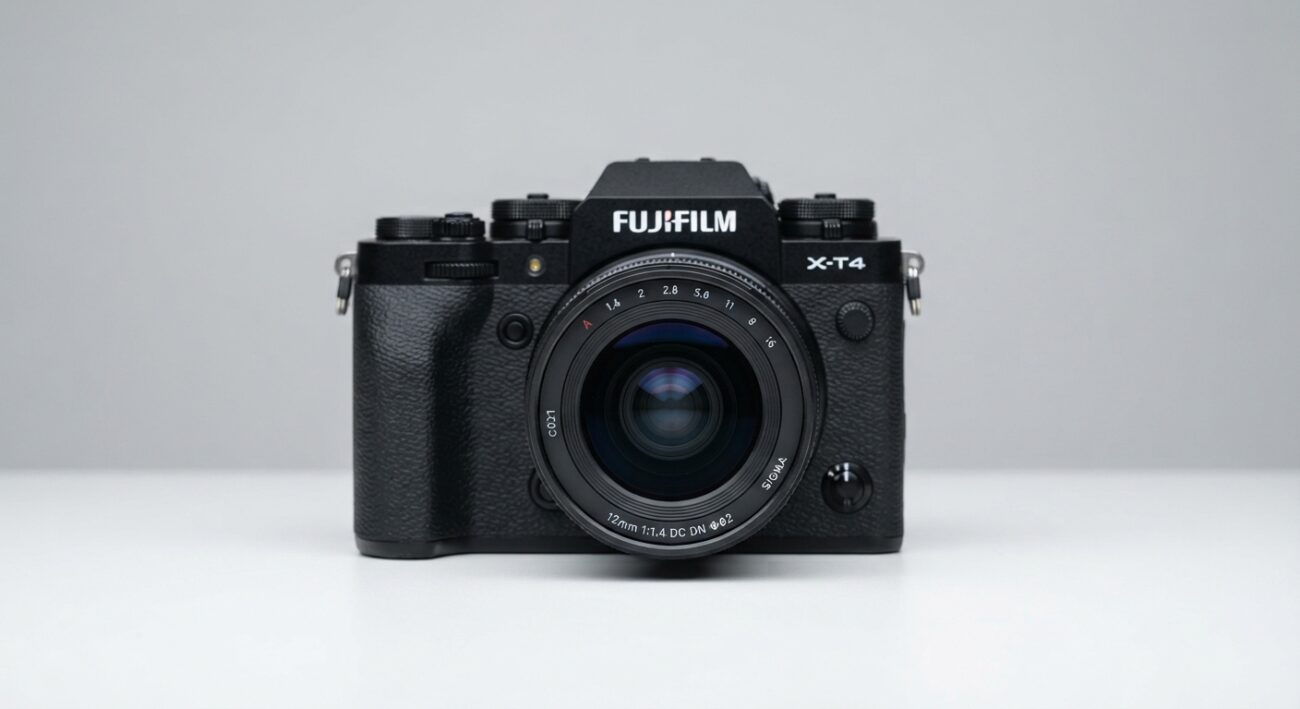
Sigma 12mm f/1.4 DC: The Specialist Choice for Crop-Sensor Nightscapes
If you shoot on an APS-C body, finding a lens that combines an ultra-wide field of view with an extreme aperture used to mean making heavy compromises. The Sigma 12mm f/1.4 DC changes that equation by delivering a true 18mm full-frame equivalent angle of view paired with an exceptional f/1.4 light-gathering capacity.
At night, that extra stop of light compared to an f/2.8 zoom is massive. It allows you to keep your shutter speeds shorter to avoid star trailing or drop your ISO lower to preserve dynamic range in dark shadows.
- Who it’s for: APS-C shooters who want to capture expansive Milky Way arches or deep nightscapes without investing in a dedicated full-frame system.
- Who should skip it: Full-frame camera owners—this is a dedicated crop-sensor (DC) lens and will trigger heavy vignetting or cropping on full-frame sensors.
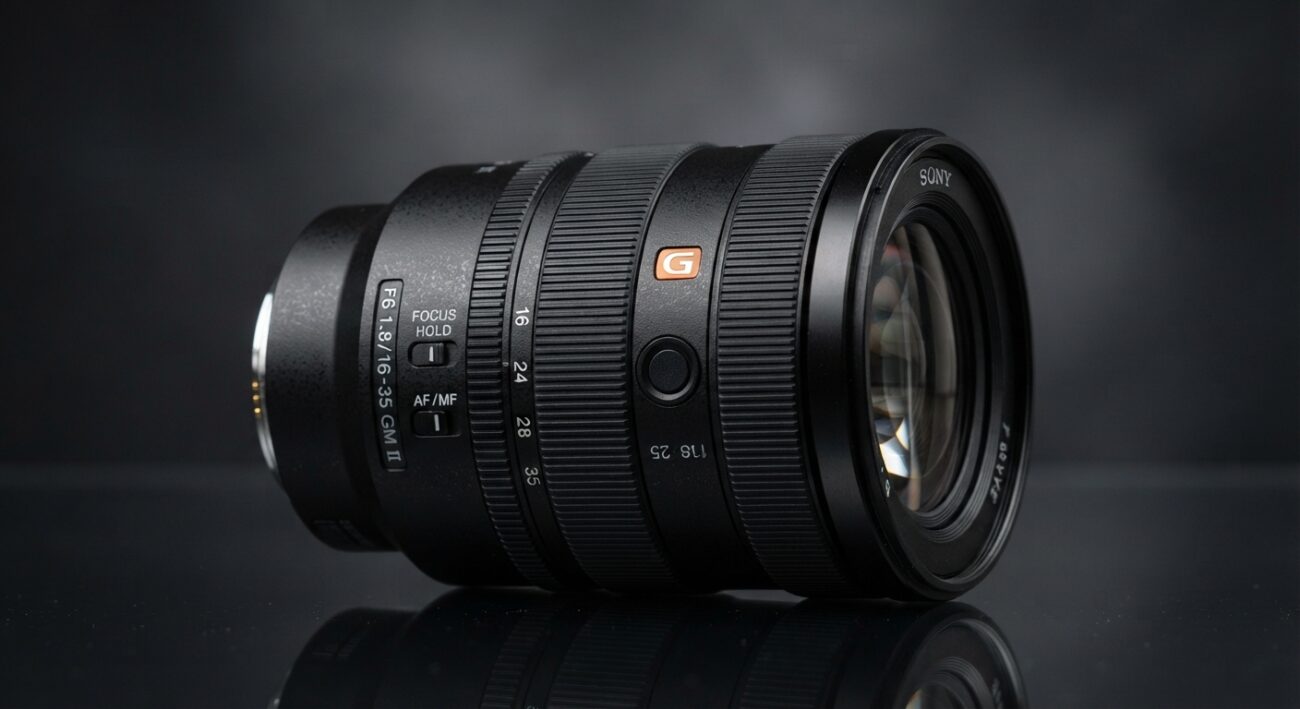
Sony FE 16-35mm f/2.8 GM II: The Pro Zoom for Versatile Landscapes
For full-frame Sony shooters, fixed primes are traditionally favored for astro, but the Sony FE 16-35mm f/2.8 GM II handles night duty remarkably well. Carrying a zoom means you can reframe your composition on a rugged cliffside without swapping lenses in the freezing dark—a huge practical advantage when dew and wind are working against you.
Optically, Sony’s second-generation design heavily suppresses sagittal coma flare compared to its predecessor. While you will still notice slight star distortion in the extreme full-frame corners wide open at 16mm, stopping down just a click to f/4 cleans up the star points drastically.
- Who it’s for: Full-frame photographers who want a rugged, multi-purpose workhorse that transitions seamlessly from daytime architecture and travel to nightscapes.
- Who should skip it: Budget-conscious hobbyists who only shoot stars occasionally and prefer a lower-cost, dedicated prime lens.
What We Look For in an Astrophotography Lens
When customers ask us what makes a lens good for night photography, we skip the marketing noise and look at three physical realities:
- Coma Control: Cheap fast lenses turn pinpricks of light into small flying seagulls in the frame corners. Good astro glass controls sagittal coma flare so stars stay sharp across the entire sensor.
- Aperture Speed: Fast glass lets photons hit your sensor faster. If you are choosing between an f/4 zoom like the Nikon Z 14-30mm f/4 S and a fast f/2.8 or f/1.4 alternative, remember that the slower lens forces you to push your ISO twice as high or lengthen your shutter speed, risking star trails.
- Manual Focus Feel: Autofocus is useless when pointing at a faint star. You need a focus ring with a predictable, damp throw that doesn’t slip out of infinity focus when you lock down your rig. Check out our wide-angle lens category for more focal length comparisons.
Frequently Asked Questions
Do I really need an f/1.4 or f/2.8 lens for astrophotography?
Not strictly, but shooting with a slow lens forces you to use much higher ISO settings or track the sky with a motorized mount. Fast apertures gather more light in a shorter window, keeping your stars sharp and your background noise manageable.
Why do my stars look distorted or stretched in the corners?
This is typically caused by optical aberrations like coma and astigmatism. It is most noticeable at the widest aperture settings on ultra-wide lenses. Stopping the lens down by a single stop (e.g., moving from f/1.4 to f/2, or f/2.8 to f/4) usually cures the issue.
Is manual focus difficult to use at night?
It takes a little practice. Switch your camera to manual focus, use live view to punch in 100% digital zoom on a bright star or distant planet, and carefully adjust the ring until the light source is as small as possible. Secure it with a piece of gaffer tape so it doesn’t shift.


 Film & Home Development