Blog

Best Travel Lens: Zoom Picks for Canon, Nikon, Sony and Fujifilm

best travel lens

The best travel lens is the one you'll still have on the camera at the end of the day, and for most people that means a standard zoom that starts at 24mm and reaches somewhere between 70mm and 120mm. It covers a narrow street, a market stall and a decent portrait without a lens change. Below are our picks by camera mount, what each costs in our store, who it suits and who should skip it. Find your mount in the table, then jump to that section.

Our pick for each mount

Your mountOur pickStore priceBest for
Canon RFCanon RF 24-105mm f/4 L IS USM$1,000The default Canon mirrorless travel zoom
Canon EF (DSLR)Canon EF 24-105mm f/4L IS II USM$850DSLR owners who want reach
Nikon ZNikon NIKKOR Z 24-120mm f/4 S$900Most range for the money on Z
Sony E (full frame)Sony FE 24-105mm f/4 G OSS$1,399One-lens trips on a full-frame Sony
Sony E (APS-C)Sigma 16-300mm F3.5-6.7 DC OS Contemporary$500One lens, one bag, lots of reach
Fujifilm XFujifilm XF 16-80mm f/4 R OIS WR$400The easiest recommendation here

Prices are our store prices as of October 20, 2026. Check the product page for the current price.

The best travel lens for most people: a constant f/4 zoom

Here's the position, up front. For most trips, buy a constant f/4 standard zoom that runs from 24mm to roughly 105 or 120mm, and spend what you save on the trip.

Why f/4 and not f/2.8? In daylight you won't miss the extra stop. For buildings, landscapes and anything that holds still, stabilization in the lens or body lets you slow the shutter instead. And the faster lenses cost real money: in our store the Canon RF 24-105mm f/2.8 is $2,500, against $1,000 for the f/4 version. That's a $1,500 gap, which is a flight or a week of hotel.

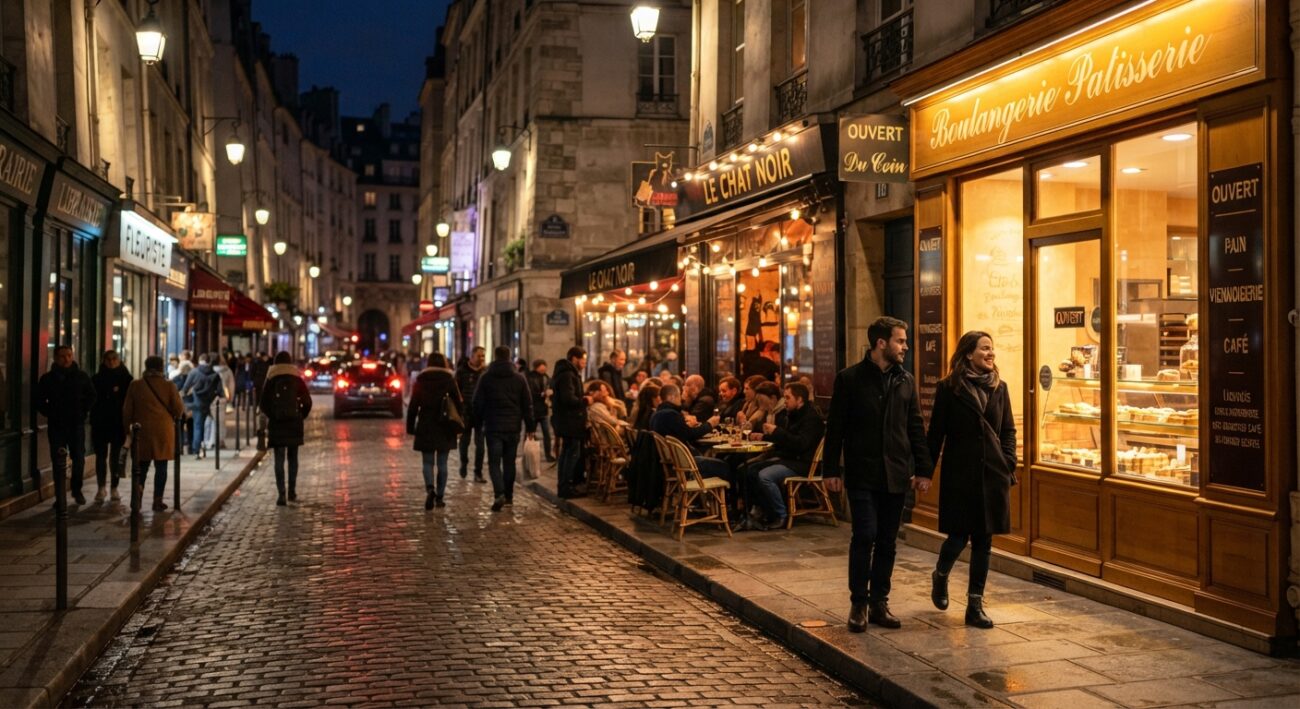
Where f/4 runs out is moving subjects in dim light: a street at night, a crowded restaurant, a stage. If that's your trip, read the next part before you decide.

When f/2.8 is worth paying for

If you'll shoot after dark, indoors or at events, a faster lens earns its price. We stock four f/2.8 standard zooms, and they make different trade-offs:

When a superzoom is the better trade

On a Sony APS-C body, the Sigma 16-300mm F3.5-6.7 DC OS | C costs $500 and covers the equivalent of 24-450mm in full-frame terms, according to Sigma's own listing. That's one lens for a city walk, a viewpoint and a distant rooftop, with no swapping in a dusty street.

The cost shows up in the aperture. It opens to f/3.5 at the wide end and closes down to f/6.7 at 300mm, so it gets dark quickly at long range and indoors. Sigma lists 6 stops of stabilization at the wide end and 4.5 at the long end, which helps with shake but does nothing for a moving subject in dim light. Skip it if you shoot a lot after dark or want soft backgrounds. It suits someone on APS-C who wants a single lens and values reach over speed.

Best focal length for travel photography

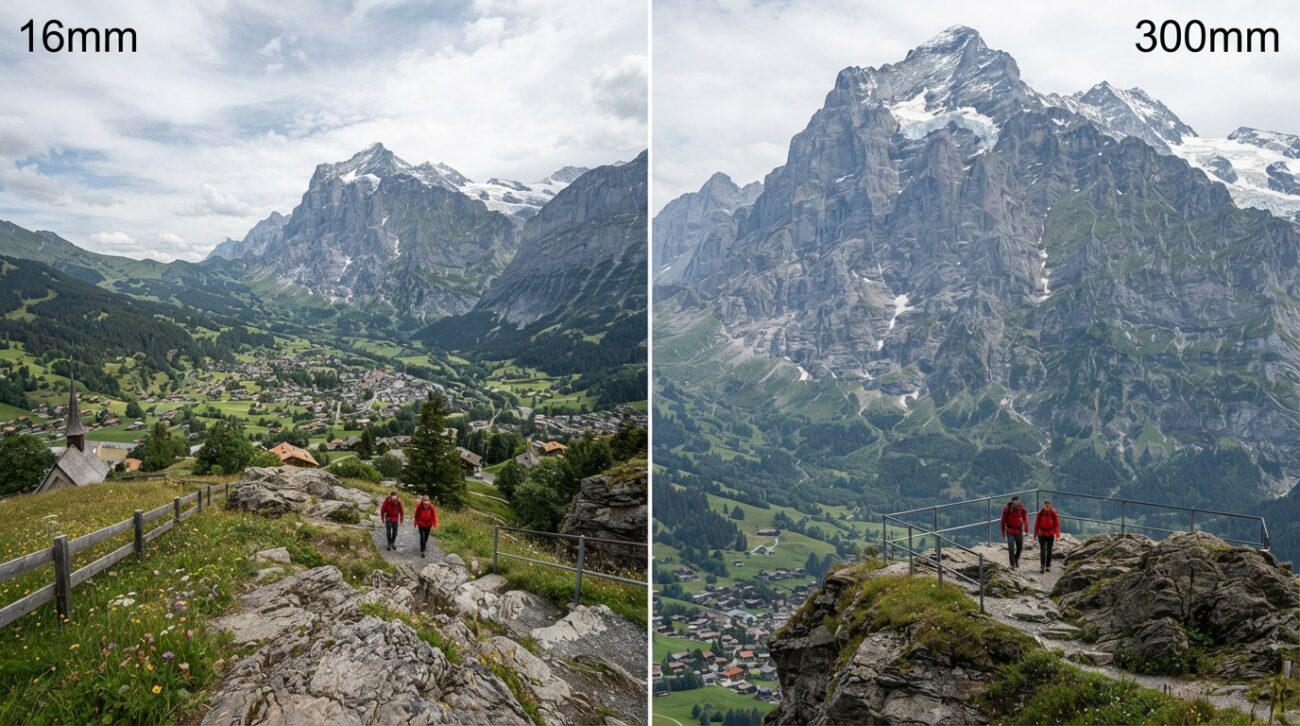
Start with the wide end, because that's where most people feel limited. On a full-frame camera, 24mm lets you fit a room, a narrow street or a building into the frame while you stand close to it. On a crop-sensor body, look for a lens that starts around 16mm. Fujifilm lists the XF 16-80mm as the equivalent of 24-122mm, and Sigma lists the 16-300mm as 24-450mm, so that's the conversion you're looking for.

The middle of the range does most of the daily work: 35 to 50mm for street scenes and people at a natural distance, 70 to 105mm for portraits, details and flattening a busy background. Past 120mm you're into territory that's worth owning only if you shoot distant subjects on purpose. If that's you, our guide to telephoto lenses for wildlife covers it.

If you only remember one number, make it 24mm at the wide end (about 16mm on APS-C).


Best travel lens for Canon

RF mount

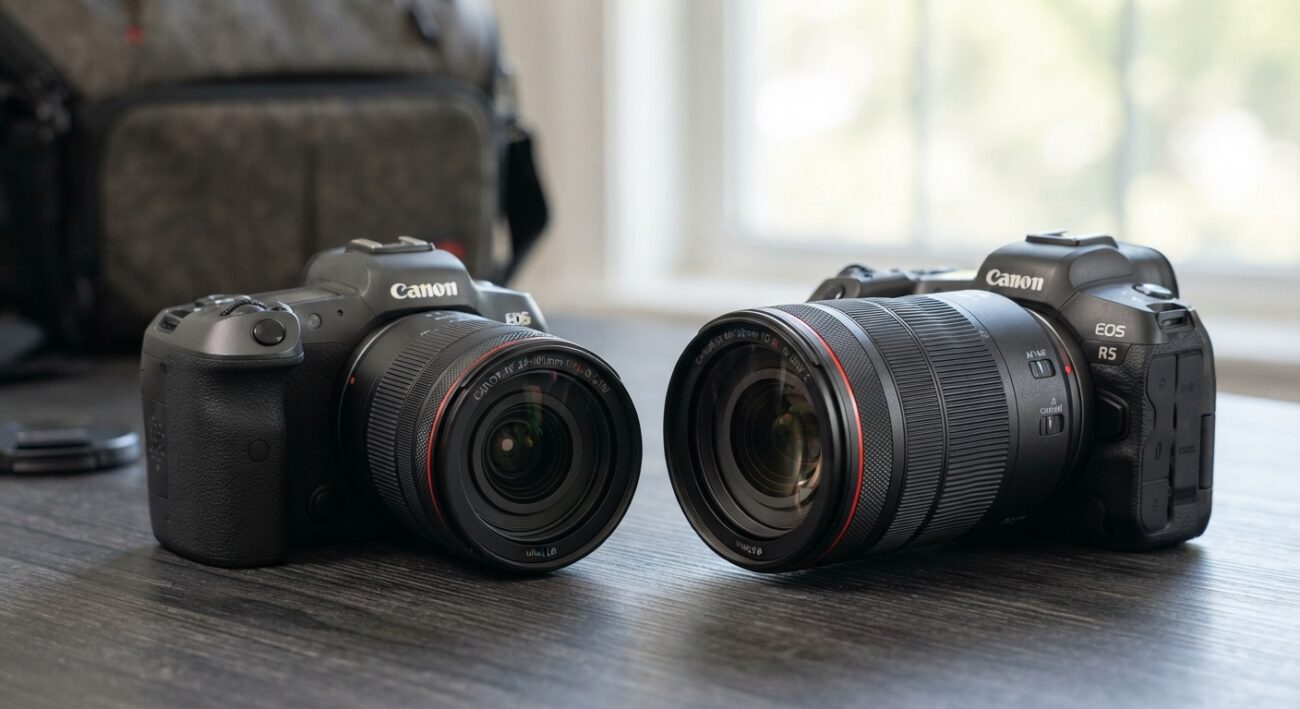
The Canon RF 24-105mm f/4 L IS USM is the one we'd start with. It has a constant f/4 aperture and a broad zoom range, and Canon describes it as the first L-series lens with a Nano USM autofocus motor. At $1,000 it's the sensible middle for most RF owners.

The f/2.8 version is a different kind of purchase at $2,500. It keeps f/2.8 from 24 to 105mm, focuses closer than 1.5 feet (0.45m) at every focal length, and is listed with up to 5.5 stops of stabilization, or 8 stops with Coordinated Control IS on bodies with in-body stabilization. It's dust and water resistant and comes with a tripod mount. It also has an iris ring and supports Canon's power zoom adapters, which matter more for video than stills. Buy it if you shoot video or work in low light often enough to justify the price. Skip it if you're watching the budget or counting grams.

EF mount

For a DSLR, the Canon EF 24-105mm f/4L IS II USM at $850 gets our vote. It's a constant f/4 and the optical design was reworked for better brightness at the edges of the frame. The EF 24-70mm f/2.8L II costs $150 more and is brighter, but it gives up 35mm of reach. For travel we'd take the reach unless you shoot at night.

Best travel lens for Nikon Z

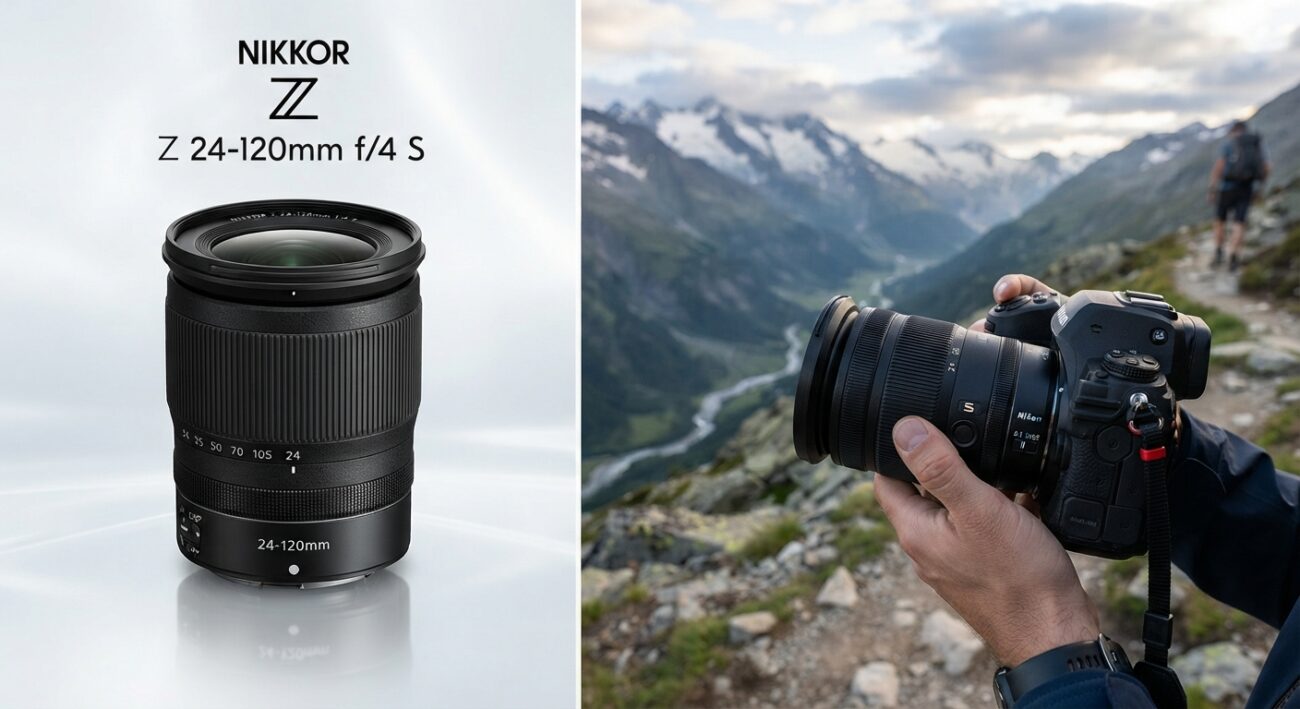
The Nikon NIKKOR Z 24-120mm f/4 S is our pick. It's a 5x zoom with a constant f/4 aperture, it weighs 630g according to the product page, focuses down to 1.15 feet, and is weather-sealed. It works on both full-frame and DX Z bodies. At $900 it's the most reach per dollar in the Nikon list.

If you'd like to spend less or carry less, the NIKKOR Z 24-70mm f/4 S is $750 and focuses closer than a foot at any focal length. It's shorter at the long end. The NIKKOR Z 24-105mm f/4-7.1 at $540 is the budget option; the variable aperture means it slows as you zoom in, so it's better in daylight than at dusk. For low light, the Tamron 28-75mm f/2.8 is the one to look at.

Add the Nikon Z 14-30mm f/4 S, $1,049, if you want an ultra-wide for cities and interiors.

Best travel lens for Sony and Sigma

The Sony FE 24-105mm f/4 G OSS is $1,399 and covers wide to mid-telephoto in a compact body. It's our pick for a full-frame Sony.

The Sony FE 20-70mm f/4 G at $1,149 trades reach for width. It starts at 20mm, which is a real advantage inside churches, markets and narrow old streets. Choose it if you shoot architecture and interiors more than portraits. Choose the 24-105 if you want to reach across a square.

For low light on Sony E, the Sigma 28-105mm f/2.8 mentioned above is $1,300. If you already own a Sony body and want a wide add-on, the Sony FE 16-35mm f/2.8 GM II is $2,649, which makes it a luxury rather than a necessity.

Best travel lens for Fujifilm X

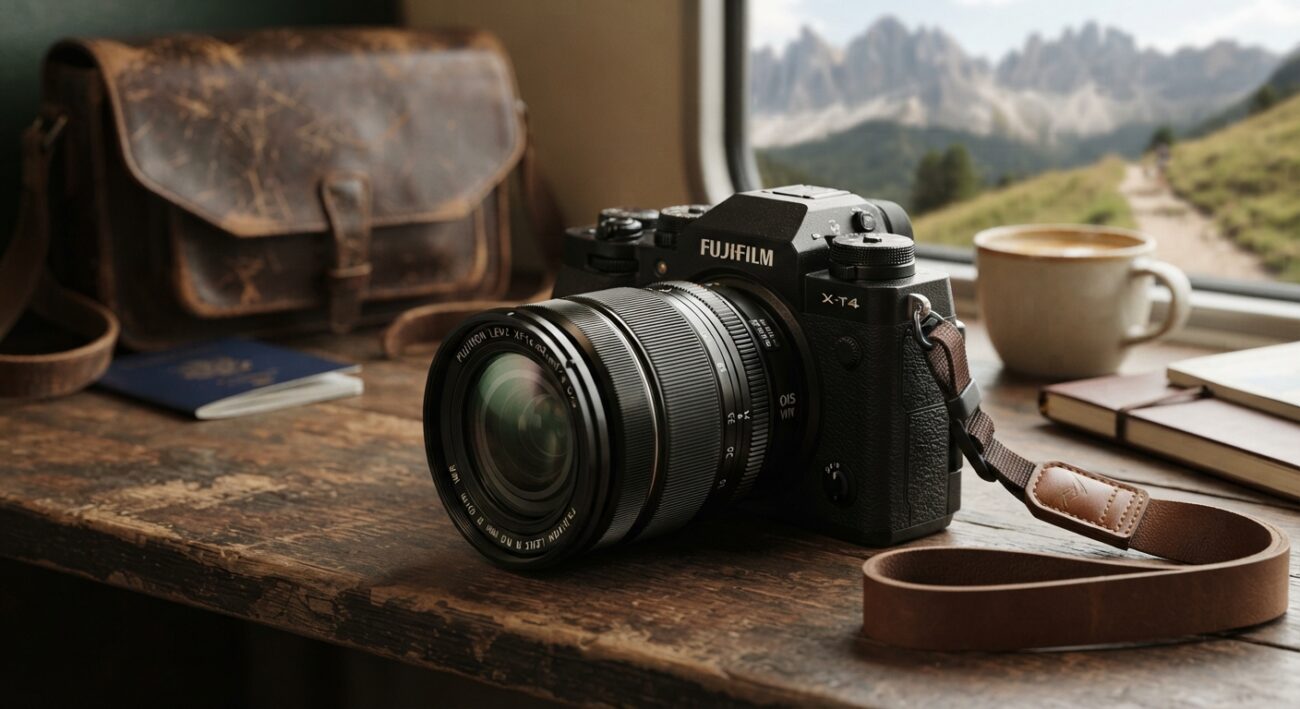
The Fujifilm XF 16-80mm f/4 R OIS WR is $400, and it's the easiest recommendation in this guide. Fujifilm lists it as the equivalent of 24-122mm, so it matches the range of the 24-105 and 24-120 lenses above on a smaller, cheaper lens. It weighs 15.5 ounces (440g), carries 6 stops of optical stabilization, and is weather-sealed in ten places.

Who should skip it: anyone who wants f/2.8 for night work, since this is an f/4 lens, or anyone who wants reach beyond 122mm equivalent. For that, look at the Fujifilm XF 100-400mm, though it isn't a lens you'll carry for fun.

One lens or two?

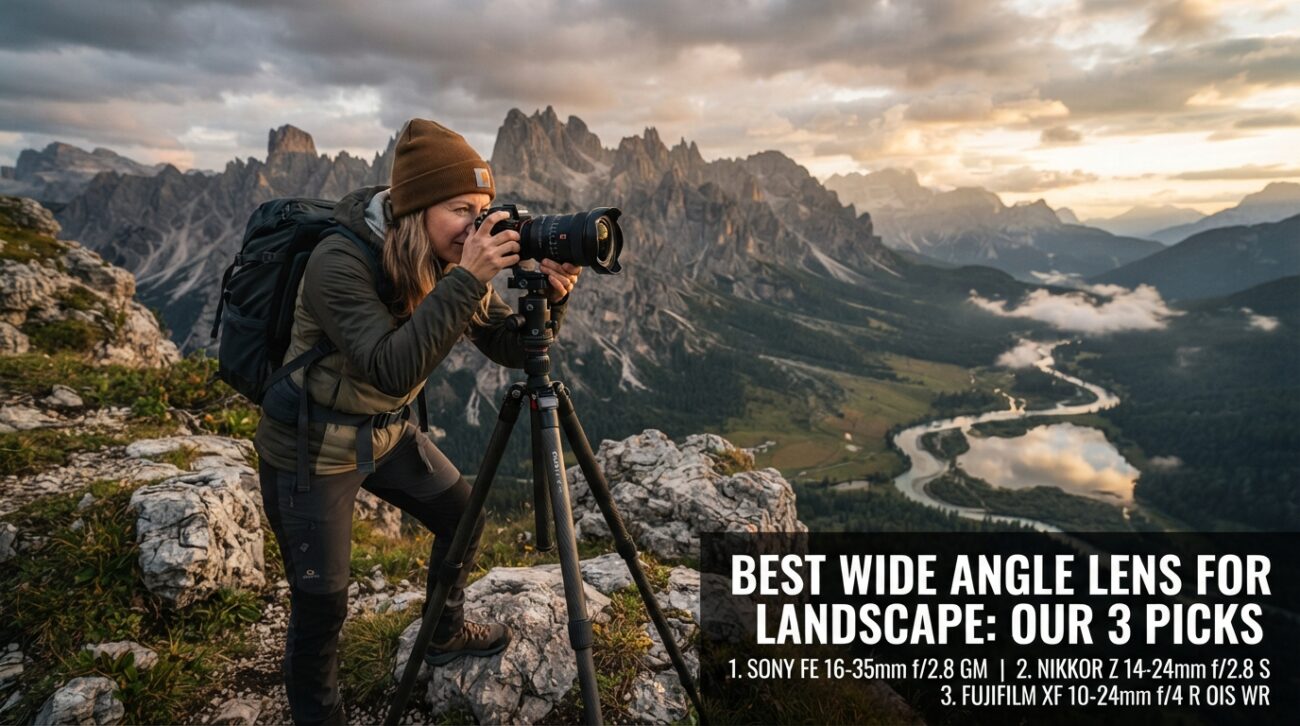
Start with one zoom and see where you feel limited. If you add a second, make it a wide-angle before a telephoto, unless you know you'll be shooting distant subjects. The wide options we stock are the Nikon Z 14-30mm f/4 S and the Sony FE 16-35mm f/2.8 GM II from above. For reach on a Canon DSLR, the Canon EF 70-300mm f/4-5.6 IS II USM is $689.

And if swapping lenses sounds like more effort than you want on holiday, a fixed-lens camera might fit better. Our guide to the best point and shoot cameras for travel covers those.

Buying by budget

BudgetLensMountPrice
Under $600Fujifilm XF 16-80mm f/4Fujifilm X$400
Under $600Sigma 16-300mm F3.5-6.7Sony E (APS-C)$500
Under $600Nikon NIKKOR Z 24-105mm f/4-7.1Nikon Z$540
$750 to $1,000Nikon NIKKOR Z 24-70mm f/4 SNikon Z$750
$750 to $1,000Tamron 28-75mm f/2.8 G2Nikon Z$849
$750 to $1,000Canon EF 24-105mm f/4L IS IICanon EF$850
$750 to $1,000Nikon NIKKOR Z 24-120mm f/4 SNikon Z$900
$750 to $1,000Canon EF 24-70mm f/2.8L IICanon EF$1,000
$750 to $1,000Canon RF 24-105mm f/4 LCanon RF$1,000
$1,100 to $1,400Sony FE 20-70mm f/4 GSony E$1,149
$1,100 to $1,400Sigma 28-105mm f/2.8 DG DNSony E$1,300
$1,100 to $1,400Sony FE 24-105mm f/4 G OSSSony E$1,399
PremiumCanon RF 24-105mm f/2.8 L IS USM ZCanon RF$2,500

Store prices as of October 20, 2026. Check each product page for the current price.

Check your mount first

Every lens above is built for one mount, and a lens that won't attach to your camera is an expensive mistake. If you're not sure what yours is, read our lens mount guide before you buy. Then browse the full lens range filtered to your brand.

FAQ

Is a zoom or a prime better for travel?

For most people, a zoom. You can change framing without changing lenses, which matters on a crowded street or a moving boat. A prime is smaller and usually brighter, so it makes sense as a second lens for night walks, not as your only one.

Is a 24-105mm lens enough for travel?

For most trips, yes. The wide end handles streets, rooms and landmarks, and 105mm reaches portraits and details. Where it falls short is wildlife, sport and distant architecture. If you know that's your trip, you'll want a longer lens as well.

Is a superzoom a good travel lens?

It's a good fit if you want one lens and don't want to swap it. The trade is aperture: the Sigma 16-300mm opens to f/3.5 at the wide end and f/6.7 at 300mm, so it struggles in dim light and won't give you shallow depth of field. In daylight it's very convenient.

Leave a Reply

Your email address will not be published. Required fields are marked *