

Blog
Best Hybrid Camera Guide: Top Picks for Stills & Video

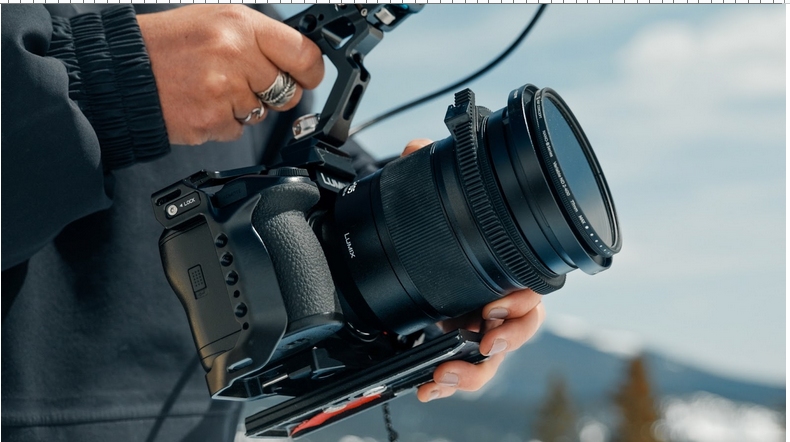
Best Hybrid Camera Options for Stills and Video
Finding the best hybrid camera for photo and video means ignoring the spec sheet hype. A reliable body balances high frame rate video performance with deep still photography reliability. The best hybrid camera avoids thermal cutoffs during long recording sessions, focuses dependably across both formats, and offers practical file formats without requiring a bulky, expensive external recording setup.
Here are the top options that actually deliver on those demands.
|
Product Name |
Price |
Key Specs |
Stock Satus |
|---|---|---|---|
|
Nikon Z 8 (Body Only) |
$2,500.00 |
45.7MP Full-Frame, 8K/60p & 4K/120p Internal RAW, No Mechanical Shutter |
In Stock |
|
Nikon Z 6III (Body Only) |
$1,500.00 |
Partially-Stacked 24.5MP Sensor, 6K/60p N-RAW Internal, 240p Full HD |
In Stock |
|
Fujifilm X-H2 (Body Only) |
$1,999.00 |
40.2MP APS-C X-Trans Sensor, 8K/30p Video, 7-Stop IBIS, ProRes 422 Internal |
In Stock |
|
Sony a7 Mark III (Body Only) |
$1,000.00 |
24.2MP Full-Frame Exmor R CMOS, 4K/30p Video, 693-Point Phase-Detect AF |
In Stock |
|
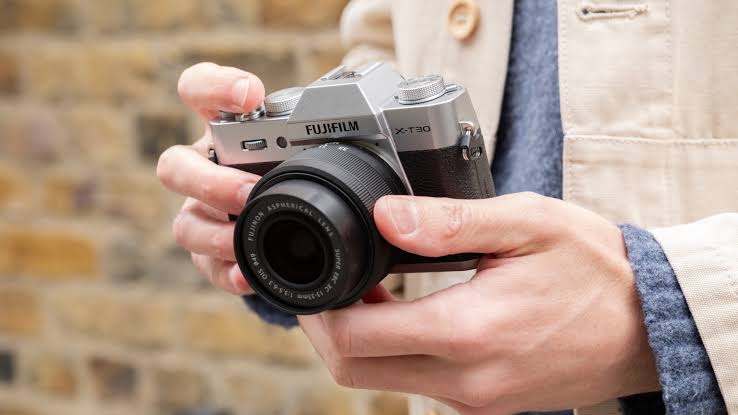
Fujifilm X-T30 III (Body Only) |
$750.00 |
Compact APS-C, Film Simulation Dial, 4K Video |
In Stock |
What Makes a True Hybrid Camera (Beyond the Spec Sheet)
Shooting both formats places distinct demands on a single body. Thermal management dictates your actual recording limits. A compact body shooting 8K will eventually overheat and shut down on set if it lacks proper heat sinks or active cooling mechanisms.
Post-production workflow dictates your color depth requirements. If you shoot straight out of camera, standard 8-bit color works fine. If you color grade flat Log footage, 10-bit color provides 1,024 shades per channel instead of 256, preventing blocky banding in skies or skin tones.
Ergonomics also dictate utility. You need dedicated physical dials or custom buttons that allow you to swap your settings instantly when jumping from a 1/50th second shutter speed in video to a 1/1000th second shutter speed for freezing motion in stills.
The Best Hybrid Cameras for Photo and Video
Nikon Z 8
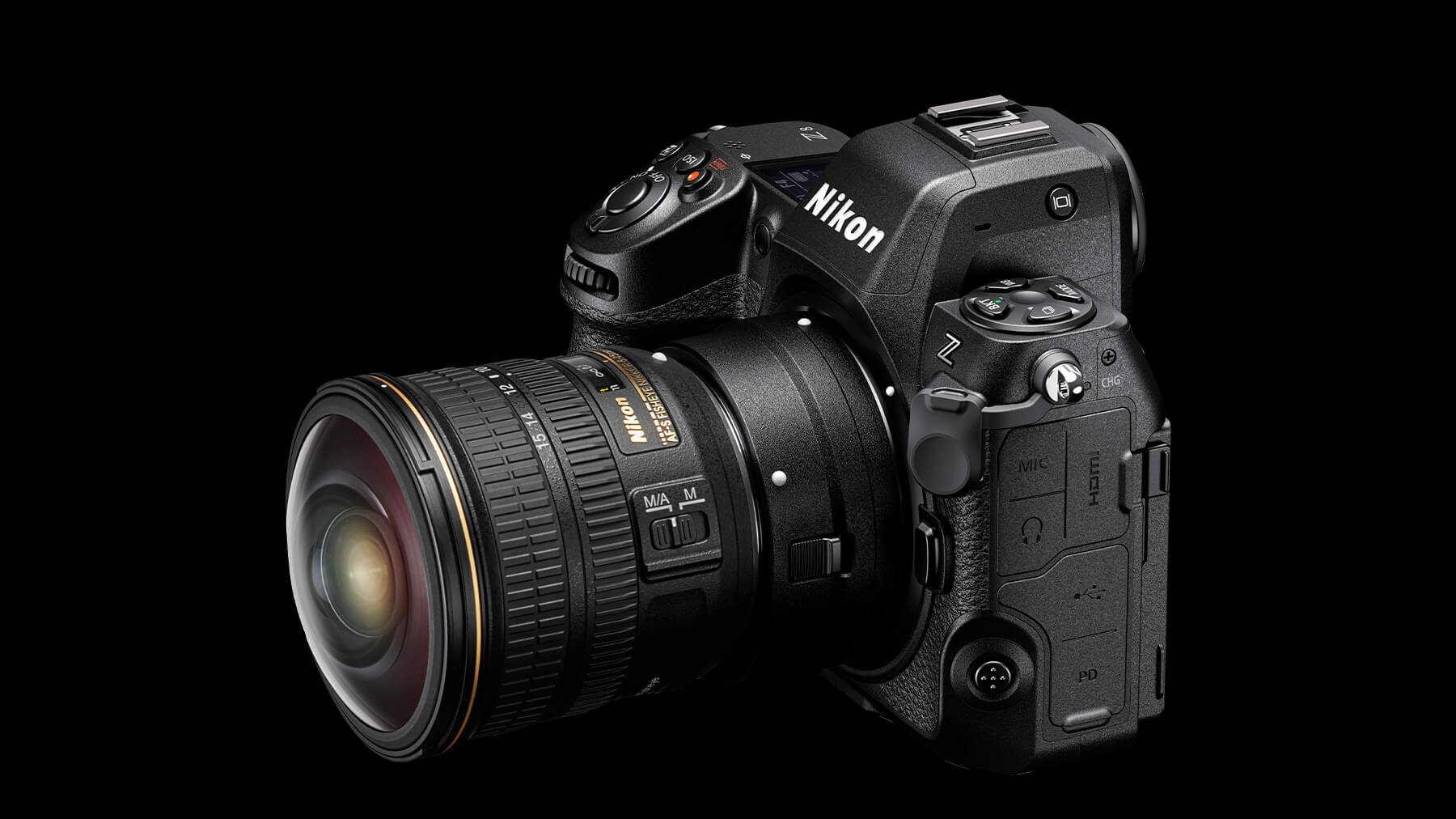
The Nikon Z8 full-frame hybrid body delivers professional flagship performance in a manageable form factor. It captures 45.7MP stills and internal 8K/60p video natively. The complete removal of the mechanical shutter sets this model apart for silent operation and durability.
Our team tested the Z8 extensively. Eliminating the mechanical shutter completely removed shutter shock during high-speed still bursts, while internal N-RAW recording saved us from needing external Atomos recorders on set.
Price: $2,500.00 (check the product page for current price)
Suits: Professional shooters who require uncompromising speed and high-resolution internal video formats.
Skip it if: You need a lightweight travel setup or are shooting on a strict budget.
Nikon Z 6III
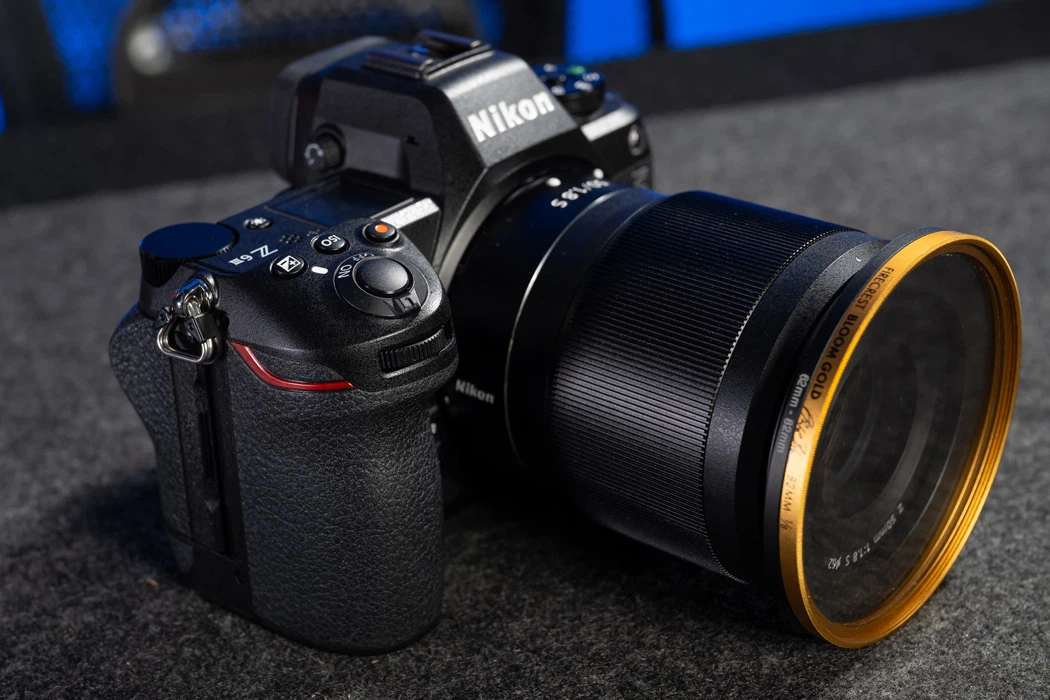
If you want top-tier technology at a mid-range price, check the Nikon Z 6III mirrorless camera. It utilizes a partially stacked 24.5MP sensor to process data incredibly fast, unlocking 6K/60p N-RAW internal recording and bright 4000-nit EVF viewing.
In our testing, the partially stacked sensor proved to be a massive advantage for this price tier. Rolling shutter artifacts are significantly reduced compared to traditional BSI sensors when panning quickly in video mode.
Price: $1,500.00 (check the product page for current price)
Suits: Enthusiasts upgrading to full-frame who need fast sensor readouts for action photography and low rolling shutter in video.
Skip it if: You strictly shoot static talking-head interviews where a partially stacked sensor provides no added benefit.
Fujifilm X-H2
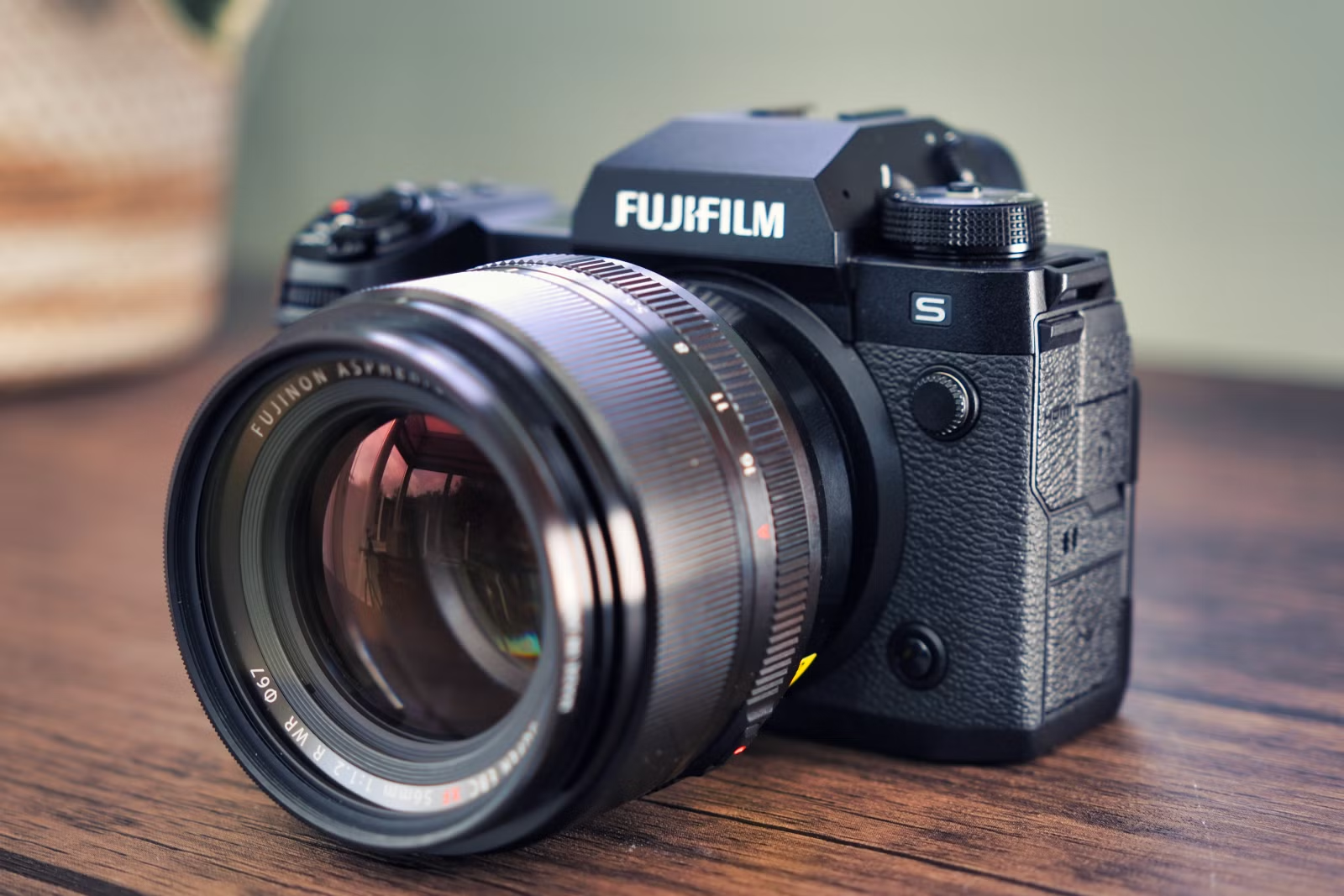
The Fujifilm X-H2 APS-C flagship pushes the boundaries of crop-sensor resolution. It packs a 40.2MP X-Trans sensor capable of capturing 8K/30p video and offers 7 stops of in-body image stabilization (IBIS).
We found unmatched detail resolution in the APS-C category during our hands-on review. The 8K/30p footage gives immense headroom for 4K cropping in post, though the CFexpress Type B card requirement is mandatory for heavy ProRes workflows.
Price: $1,999.00 (check the product page for current price)
Suits: Resolution-hungry creators who want to crop heavily in post-production without sacrificing 4K delivery.
Skip it if: You refuse to invest in high-speed CFexpress Type B memory cards.
Sony a7 Mark III
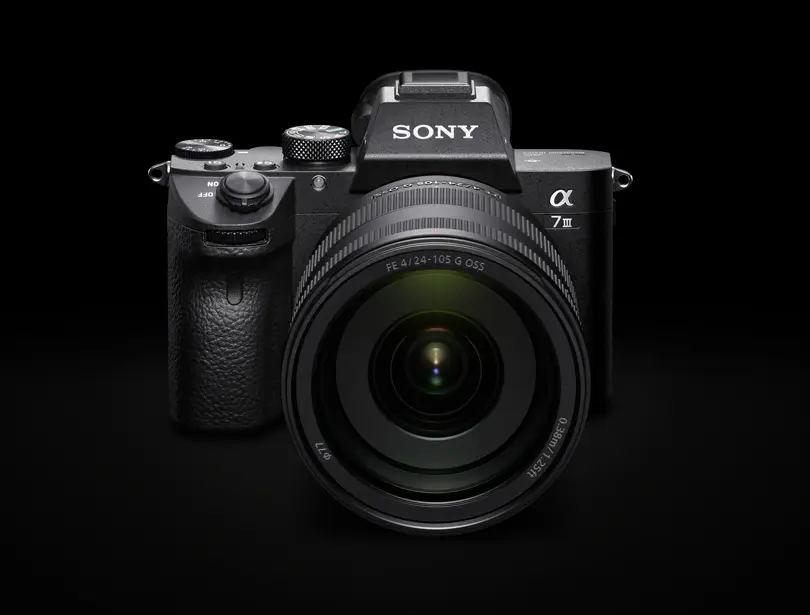
The budget-friendly Sony a7 Mark III remains highly competitive for anyone entering the full-frame market. It features a 24.2MP Exmor R CMOS sensor and dual SD card slots.
Based on our time with the camera, it remains the ultimate value entry into full-frame hybrid shooting. While capped at 8-bit color for video, its battery life and low-light autofocus tracking remain benchmark performers under $1,000.
Price: $1,000.00 (check the product page for current price)
Suits: Budget-conscious shooters looking to enter the full-frame ecosystem for reliable low-light performance.
Skip it if: You demand 10-bit internal video color for heavy grading.
Fujifilm X-T30 III
Completing Your Hybrid Rig: Lenses and Support
Your camera body requires the right accessories to maximize its potential. Lenses engineered strictly for still photography often suffer from focus breathing, where the field of view shifts distractingly as you adjust focus during a video clip. You want hybrid zoom lenses with video-centric features that minimize breathing and offer smooth aperture control.
Stabilization is equally critical. While in-body image stabilization handles static handheld shots, tracking a moving subject smoothly requires fluid pan and tilt movements. Adding hydraulic video tripod systems to your setup provides the necessary resistance to execute professional camera moves without micro-jitters.
Frequently Asked Questions
What is a hybrid camera? A hybrid camera is a mirrorless body designed to shoot both high-resolution still photographs and broadcast-quality video with equal capability. These models feature specialized autofocus, dual exposure controls, and optimized video codecs.
What is the best full-frame camera for both photo and video? Cameras like the Nikon Z 8 and Nikon Z 6III lead the full-frame hybrid category due to high burst speeds for stills and internal high-frame-rate RAW video options.
Is full-frame better than APS-C for hybrid shooting? Full-frame offers superior low-light performance and shallower depth-of-field. APS-C systems (like the Fujifilm X-series) provide lighter setups, lower costs, and more affordable lens ecosystems.
Do hybrid cameras overheat when recording video? Higher resolution modes like 8K or 4K/120p generate significant heat. Modern hybrid cameras mitigate this with body heat sinks, high thermal cutoff thresholds, or optional bolt-on cooling fans.
Is 10-bit color necessary for video in a hybrid camera? Yes, if you intend to shoot in Log profiles (N-Log, F-Log, S-Log) and color grade your footage. 10-bit provides 1,024 shades per color channel versus 256 shades in 8-bit, preventing banding in skies and skin tones.




 Film & Home Development